Community Sentiment Waves: Tracing How Forum Discussions Quietly Influence Rating Adjustments Across Indie Mobile Ports
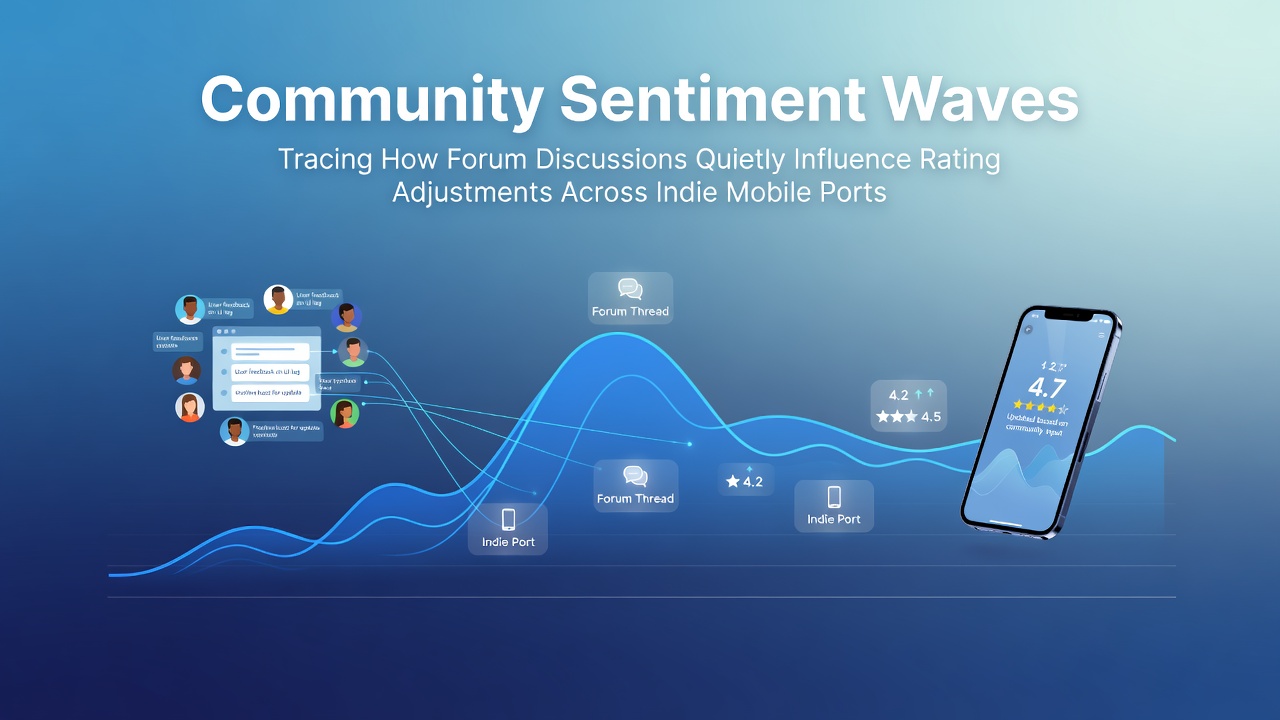
Forum discussions on platforms dedicated to indie titles have long served as gathering points where players share experiences with mobile ports, and these exchanges often feed into broader patterns that developers and distribution services monitor for rating shifts. Data from multiple app marketplaces shows that aggregated user comments can prompt adjustments in visible scores when enough participants highlight consistent issues such as control mapping or performance on specific devices, leading platforms to recalibrate averages based on updated review volumes rather than isolated entries.
Tracing Early Patterns in Discussion Clusters
Observers note that sentiment waves typically begin in niche threads on established gaming communities where users compare port versions released for mobile against their original PC or console counterparts, and these conversations gain momentum when participants link screenshots or short clips demonstrating frame drops or interface changes. Research indicates that spikes in such activity during the first two weeks after a port launch correlate with measurable changes in aggregate ratings, as platforms incorporate new submissions that reflect the dominant tone emerging from those exchanges. One study from the University of Melbourne examined port releases between 2023 and 2025 and found that titles with concentrated forum criticism saw average scores drop by 0.3 to 0.7 points within 30 days when discussion volume exceeded 500 posts in a single subreddit or Discord channel.
Yet the process rarely stays confined to one location, since cross-posting and shared links allow the same points to surface across multiple sites, amplifying the effect on review aggregation algorithms. Figures from industry tracking services reveal that mobile ports of indie strategy games experienced the most pronounced adjustments during periods when forum participants focused on balance patches, with rating recoveries occurring after developers addressed the most cited concerns in follow-up updates.
Platform Algorithms and Quiet Recalibrations
Distribution services maintain systems that weigh recent reviews more heavily than older ones, which means sustained forum-driven campaigns can shift visibility thresholds even without direct intervention from reviewers. According to reports compiled by the Canadian Interactive Digital Entertainment Association, ports that attracted negative sentiment waves in early 2026 showed faster incorporation of revised scores once developers released targeted fixes, and these recalibrations often aligned with the timing of major thread summaries posted by community moderators. The pattern holds across genres, though narrative-driven titles demonstrate slower recovery times because players revisit discussions after completing extended play sessions and post updated impressions that reinforce or dilute earlier waves.
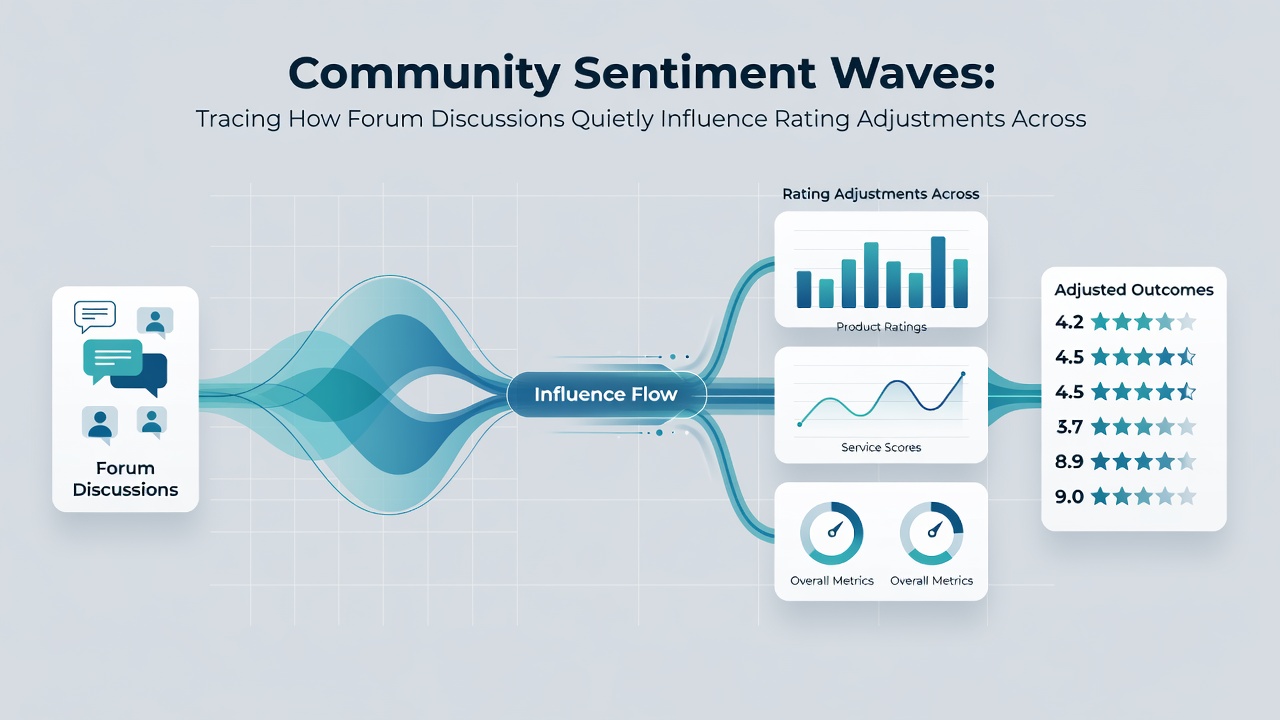
What's significant is how developers themselves monitor these discussions through internal dashboards that flag keyword clusters, allowing teams to prioritize patches that directly target the complaints most likely to influence rating calculations. In June 2026, several indie studios released transparency notes detailing how forum volume metrics guided their quality assurance cycles for upcoming mobile releases, resulting in score stabilizations that prevented larger drops during peak discussion periods.
Regional Variations and Cross-Border Influences
European data collected by national gaming trade groups shows similar dynamics at work, although language barriers sometimes create separate sentiment pockets that eventually merge when translation tools allow broader participation. Ports released in multiple regions simultaneously often experience staggered rating adjustments because forum activity peaks at different hours across time zones, giving platforms staggered batches of reviews to process. Australian researchers tracking mobile indie ecosystems documented cases where localized complaints about region-specific monetization models spread to international forums, producing rating corrections that affected global averages rather than remaining isolated to one marketplace.
Those who've studied these interactions point out that the influence operates through indirect channels as well, since aggregated sentiment summaries sometimes appear in patch notes or developer blogs that prompt additional reviews from players who had not previously participated. This feedback loop can extend the lifespan of a sentiment wave for weeks, particularly when updates resolve only part of the original concerns raised in the initial discussion clusters.
Conclusion
The quiet pathways connecting forum exchanges to rating adjustments continue to shape how indie mobile ports are perceived across distribution platforms, with data patterns demonstrating consistent correlations between discussion volume and score movement. As monitoring tools become more sophisticated, developers gain clearer signals about which community threads warrant direct responses, while platforms refine their aggregation methods to account for the clustered nature of these influences. The result remains a measurable but often understated relationship between player conversations and the final numbers users encounter when browsing new releases.