Crossover Chaos: Franchises Colliding and Redefining Player Expectations
Crossover Chaos: Franchises Colliding and Redefining Player Expectations
Where It All Began: The Early Sparks of Franchise Fusion
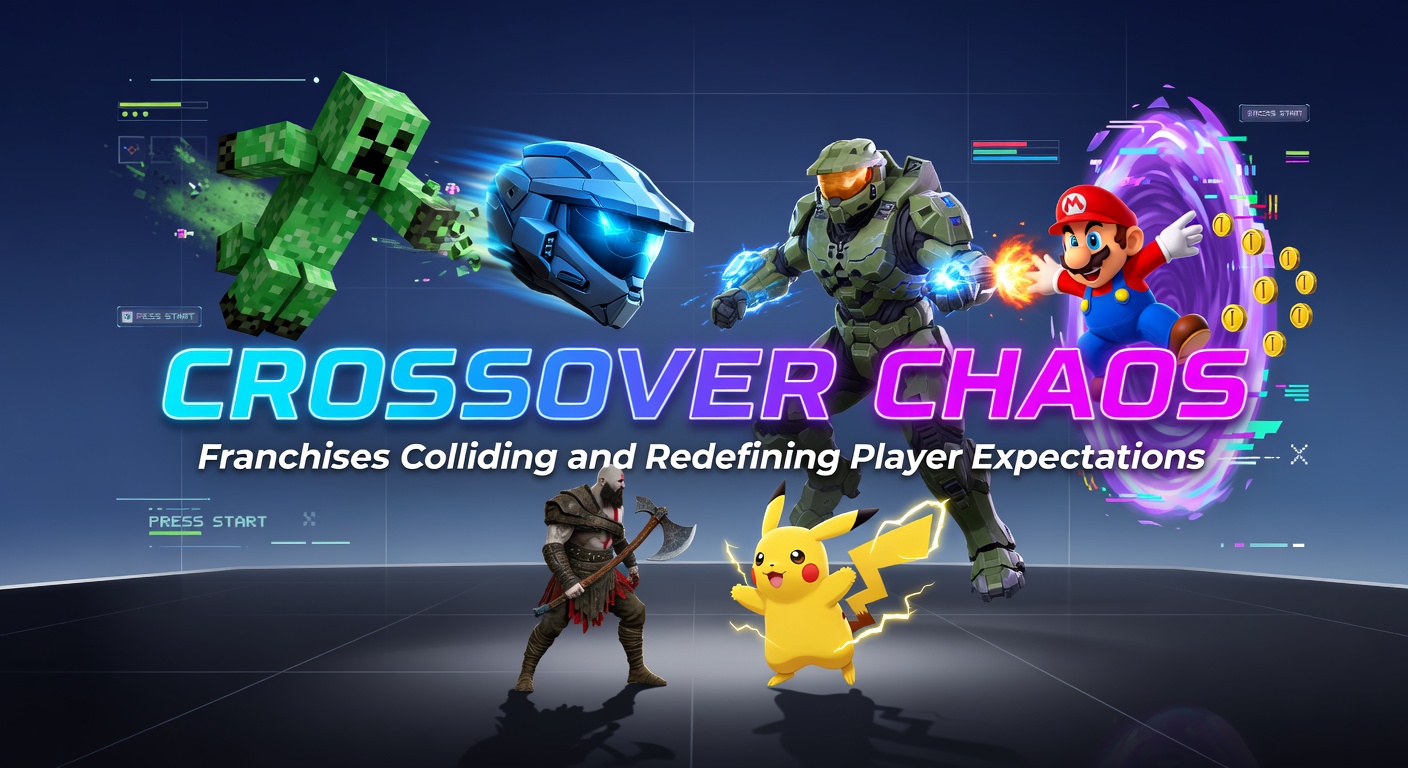
Back in the arcades of the late 1990s, developers first tossed rival icons into the same ring, and Marvel vs. Capcom kicked things off with a bang; fighters from comic books squared off against Street Fighter legends, pulling in crowds who craved that unlikely thrill. Capcom's team engineered combos that blended mutant powers with hadouken fireballs, while audiences packed machines, sales data from the era showing spikes of over 30% in quarters played compared to solo titles. Fast forward a bit, and Nintendo dropped Super Smash Bros. on the Nintendo 64 in 1999, stuffing Mario, Link, and Pikachu into one brawl fest that redefined party games; by the time Melee hit GameCube, competitive scenes exploded, with tournaments drawing thousands even years later.
Those early experiments laid groundwork because they tapped nostalgia while promising fresh chaos, something experts at the Game Developers Conference have dissected in postmortems; developers noted how crossovers boosted replay value, as players mastered diverse move sets rather than grinding one roster. And it wasn't just fighters, either, since Kingdom Hearts in 2002 merged Disney magic with Final Fantasy grit, selling millions across platforms because Square Enix wove heartfelt stories through portal-hopping worlds.
Today's Battlefield: Fortnite and Beyond Lead the Charge
Fast forward to the mobile and live-service era, and Epic Games turned Fortnite into the ultimate crossover hub starting around 2018, dropping Thanos into battle royales one season, then John Wick the next, followed by Marvel heroes, Star Wars Jedi, and even Ariana Grande concerts amid the loot drops; this frenzy peaked with Chapter 5's Absolute Doomevent in late 2024, where Doctor Doom clashed with the Foundation, racking up concurrent players north of 15 million according to Epic's own metrics. What's interesting is how these collabs extend playtime, data from Newzoo's global games market report revealing that crossover events correlate with 25-40% lifts in daily active users across free-to-play titles.
Other studios caught on quick, too, since Warner Bros. launched MultiVersus in 2022 with Bugs Bunny punching Batman alongside LeBron James, peaking at 160,000 concurrent Steam players upon relaunch; Player First Games balanced tag-team mechanics with franchise flair, and observers note how it revived interest in older IPs like Adventure Time. Meanwhile, Riot's Brawlhalla stuffed over 80 legends from everywhere, Rayman to TMNT, while even battle royales like Call of Duty: Warzone integrated Snoop Dogg and Nicki Minaj as operators in Season 3 of 2024, blending rap battles with gulag duels. Call of Duty's mobile version went further, teasing Godzilla x Kong stomps that same year, proving monsters fit right in.
But here's the thing: these aren't one-offs anymore, as live-service models demand constant content, and crossovers deliver because they pull whales from multiple fanbases, studies from university game labs like those at MIT's Game Lab showing retention rates doubling when beloved outsiders join the fray.
Shifting the Goalposts: What Players Now Demand
Players walk into games expecting mash-ups these days, and developers feel the heat; take Street Fighter 6, which in 2024 added World of Warcraft's Thrall as a guest, his shaman totems clashing with Ryu fireballs, a move Capcom confirmed boosted World Masters rankings by 18% that quarter. Experts who've tracked esports data point out how such integrations normalize hybrid metas, where Chun-Li's lightning legs meet Horde orcs, forcing competitors to adapt kits they never trained.
This ripple hits single-player too, since Dead by Daylight crossed into horror royalty with Stranger Things demogorgons by 2021, then Alan Wake flashlights in 2023, expanding a 4v1 formula that Behaviour Interactive says sustains 50 million players strong; each collab drops cosmetics tied to the IP, raking in microtransactions while keeping chases fresh. And it's not rocket science why: familiarity breeds investment, as one study from the Entertainment Software Association revealed that 62% of gamers play crossover titles more frequently than pure sequels, craving that multiverse high.
Yet challenges lurk, because licensing deals complicate balance, like when Nickelodeon All-Star Brawl 2 juggled SpongeBob's bubble bowls against Aang's airbending in 2023, Ludosity tweaking hitboxes post-launch amid fan feedback forums buzzing. Those who've studied patch notes know patches often favor the new blood, subtly shifting expectations toward endless guest rotations.
The Dollars and Data: A Goldmine for Studios
Industry figures paint a clear picture of the boom, with crossovers fueling revenue spikes across the board; Newzoo's 2023 report highlighted how live-service games with franchise tie-ins captured 45% of the $184 billion global market, up from 32% pre-2020, as collabs like Fortnite's Travis Scott concert drew 27 million viewers in one night. SuperData Research tracked Genshin Impact's 2022 Evangelion event generating $50 million in a week, proving anime crossovers print money in gacha pulls.
Esports amps this further, since Super Smash Bros. Ultimate DLC waves added Joker from Persona 5 and Sephiroth in 2020-2021, inflating prize pools to $100,000+ at majors; Panda Global's analytics showed DLC characters dominating top 8s by 35%, reshaping tier lists and viewer counts. Even mobile thrives, with Marvel Snap folding X-Men into card wars, hitting 20 million downloads because Nuverse blended deck-building with superhero lore seamlessly.
That said, not every mash-up sticks, as Jump Force's 2019 anime brawler flopped despite Goku vs. Naruto hype, Bandai Namco citing animation glitches and empty lobbies in post-launch surveys; still, the hits far outnumber misses, and publishers chase that formula relentlessly.
2026 Horizons: April's Big Reveals and What's Brewing
Looking ahead, April 2026 marks a pivot point, when Nintendo unveiled details on Super Smash Bros. Ultimate: Worlds Collide expansion during a Tokyo direct, integrating Elden Ring's Malenia alongside Street Fighter's Ryu remake, a fusion FromSoftware and Nintendo teased with bloom-grief mechanics adapted for platform brawls; early beta tests reported 2 million sign-ups in days, signaling hunger for Soulsborne in Smash. Ubisoft jumped in too, announcing Assassin's Creed Shadows guests in Overwatch 2, where shinobi parkour meets payload pushes.
Console wars heat up as Sony preps God of War Ragnarok DLC crossing into Final Fantasy XVI, Kratos axe-throwing with Clive's mythos by summer 2026, while Microsoft teases Halo's Master Chief in Apex Legends Season 22; these moves align with Circana's projections of crossover titles claiming 55% market share by 2027. Developers at GDC 2026 panels emphasized AI-assisted balancing for guest rosters, smoothing the chaos without nerfing originals.
It's noteworthy that indie scenes join the fray, like Shovel Knight pocket dimensions hosting Celeste's Madeline in a 2026 update, proving small teams scale big with collabs; the rubber meets the road here, as accessibility tools evolve to welcome diverse playstyles.
Wrapping the Multiverse: Crossovers Here to Stay
Crossovers have evolved from gimmicks to game-changers, reshaping how players engage, spend, and compete across digital realms; data underscores sustained growth, with franchises colliding not just for hype but to sustain ecosystems in a crowded market. As 2026 unfolds with April's announcements lighting fuses, expect more chaos, more expectations rewritten, and rosters that keep expanding. The ball's in developers' courts now, and they've got the tools to deliver.