Exploring Data from Social Media Trend Trackers and How They Redirect Focus in Mobile Game Buyer's Guides Toward Certain Genres During Hardware Launch Windows
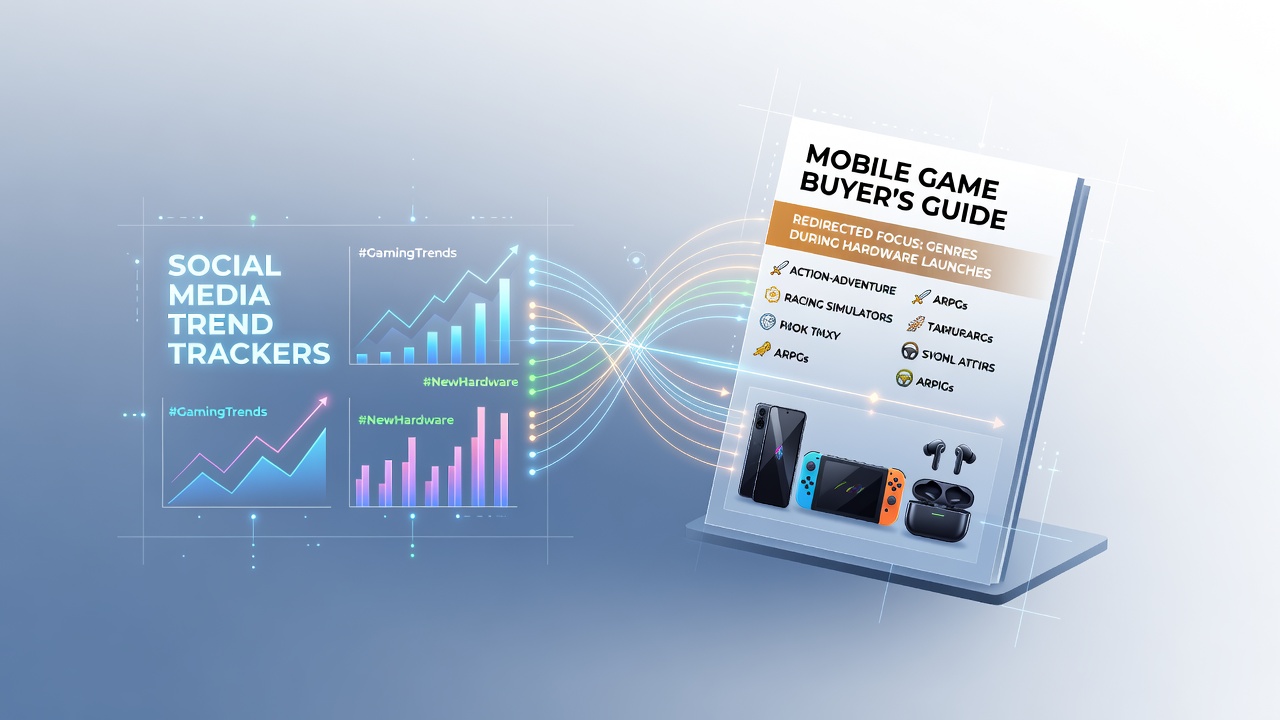
Data from social media trend trackers shows clear patterns where spikes in mentions of specific game genres coincide with hardware release cycles, and these patterns feed directly into the structure of mobile game buyer's guides. Trackers monitor platforms such as X, Reddit, and TikTok for volume changes in keywords related to action, strategy, or simulation titles. When a new smartphone chipset or portable device hits the market, the volume of posts about fast-paced multiplayer experiences often rises first, followed by shifts in how recommendation lists prioritize those categories over others.
Tracking Mechanisms Behind Genre Visibility
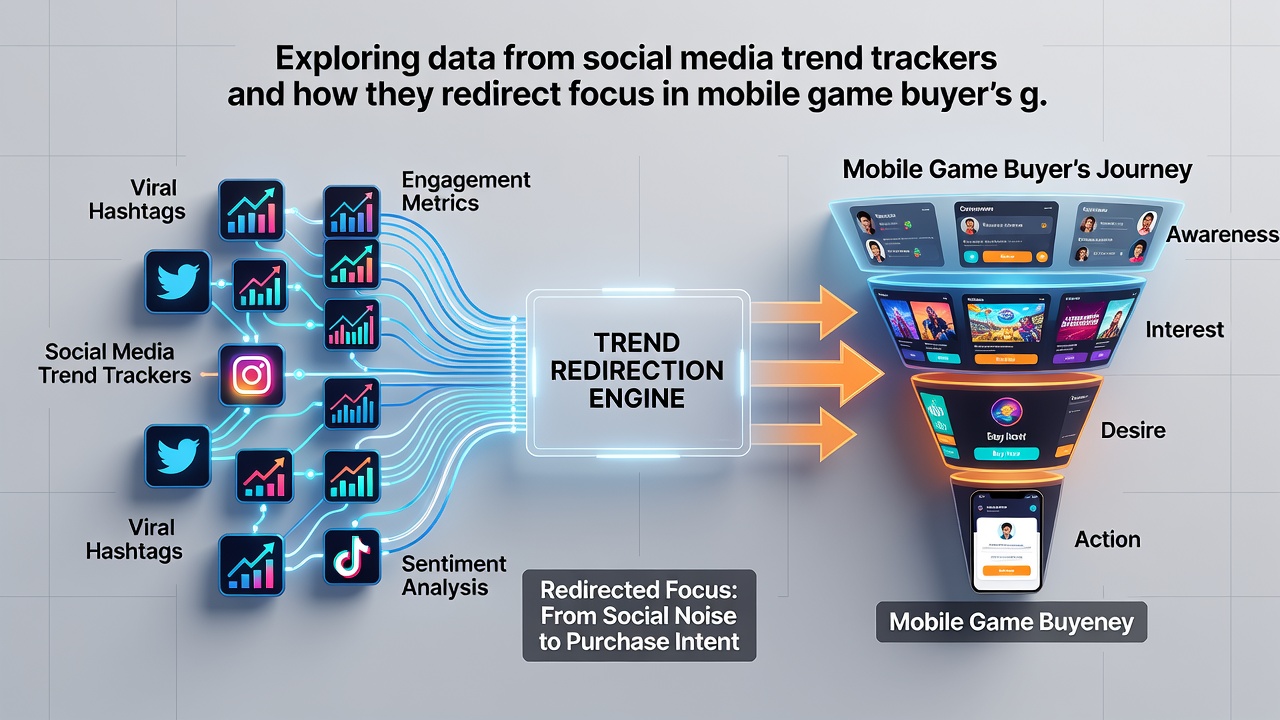
Trend trackers aggregate real-time engagement metrics, including hashtag frequency and sentiment scores, then package the results for content creators who maintain buyer's guides. Researchers at institutions across North America and Europe have documented how these aggregated signals influence editorial decisions in the weeks leading up to device launches. For instance, when a major manufacturer schedules a June 2026 unveiling, historical data sets reveal elevated discussion around battle royale mechanics and real-time strategy formats that align with improved processor capabilities. Guides respond by expanding sections on those genres while compressing coverage of slower-paced narrative experiences.
Figures from the Entertainment Software Association indicate that mobile gaming revenue segments tied to high-interaction titles grow faster during launch windows, and trackers capture this acceleration through increased user-generated content. Content teams use the resulting dashboards to reorder priority lists, placing titles with strong social proof higher in curated selections. This reordering occurs because the trackers flag rising search interest that correlates with new hardware specifications rather than any independent assessment of gameplay quality.
Redirecting Recommendations in Buyer's Guides
Buyer's guides incorporate tracker outputs by adjusting featured rankings and genre filters during the pre-launch period. Observers note that when social volume for certain mechanics peaks, guides introduce dedicated subsections that highlight compatible mobile titles. The process relies on automated alerts that flag threshold crossings in mention counts, prompting writers to refresh their lists with examples drawn from the trending categories. Data collected in prior cycles shows this adjustment typically begins four to six weeks before the hardware announcement and continues through the initial sales window.
One documented pattern involves the temporary elevation of racing and sports simulations when new display technologies receive attention in social conversations. Guides respond by grouping those titles under performance-oriented headings that reference the upcoming hardware improvements. The same data streams simultaneously reduce visibility for puzzle and idle genres unless those categories also register parallel spikes. This redistribution reflects the trackers' emphasis on volume rather than long-term retention statistics.
Hardware Launch Windows and Genre Concentration
Launch windows create compressed timeframes where multiple hardware vendors release updated models within weeks of each other. Social media trackers register overlapping conversations that amplify a narrow set of genres across regions. Reports compiled by the European Games Developer Federation show that strategy and action titles receive disproportionate attention in English-language and Asian-language discussions during these periods, while other genres maintain steadier but lower visibility. Guides adapt by mirroring the concentration, producing lists that emphasize titles optimized for the newly announced features.
During the approach to June 2026 hardware cycles, tracker data already indicates early upticks in posts about cloud-synced multiplayer formats. These signals prompt guide maintainers to prepare expanded coverage of cross-device compatible releases. The concentration effect appears because social algorithms reward recency and volume, creating feedback loops that further elevate the same categories in subsequent recommendation updates. Academic analyses from Australian research centers confirm that such loops persist across successive launch events without requiring coordinated intent from individual creators.
Regional Variations in Data Influence
Trend data collected in different markets reveals distinct genre emphases that still converge on hardware timelines. North American trackers frequently highlight competitive multiplayer titles first, whereas European and Asia-Pacific feeds show earlier movement in simulation and role-playing discussions. Buyer's guides that serve international audiences incorporate blended signals, resulting in hybrid lists that foreground whichever genres register the strongest cross-regional spikes. This blending occurs because the underlying platforms aggregate global metrics before surfacing localized highlights to content teams.
Links between tracker outputs and guide content remain indirect yet consistent. Editors receive weekly summaries that quantify rising keywords, then map those keywords onto existing title databases. The mapping process favors genres whose social signals align with hardware marketing materials released by manufacturers. Consequently, guides published in the launch window display measurable shifts in genre distribution compared with editions issued six months earlier.
Conclusion
Social media trend trackers supply quantitative inputs that reshape how mobile game buyer's guides allocate attention across genres during hardware launch windows. The documented sequence begins with volume increases in specific categories, proceeds through alert-driven updates to recommendation structures, and concludes with published lists that reflect the concentrated signals. Data from multiple industry and academic sources shows these adjustments recur with each major hardware cycle, including preparations underway for June 2026 releases. The mechanism operates through volume-based prioritization rather than qualitative evaluation, producing observable changes in the composition of guides released around device announcements.