How Preview Metrics Reshape Long-Term Patch Strategies in Cross-Platform Indie Titles
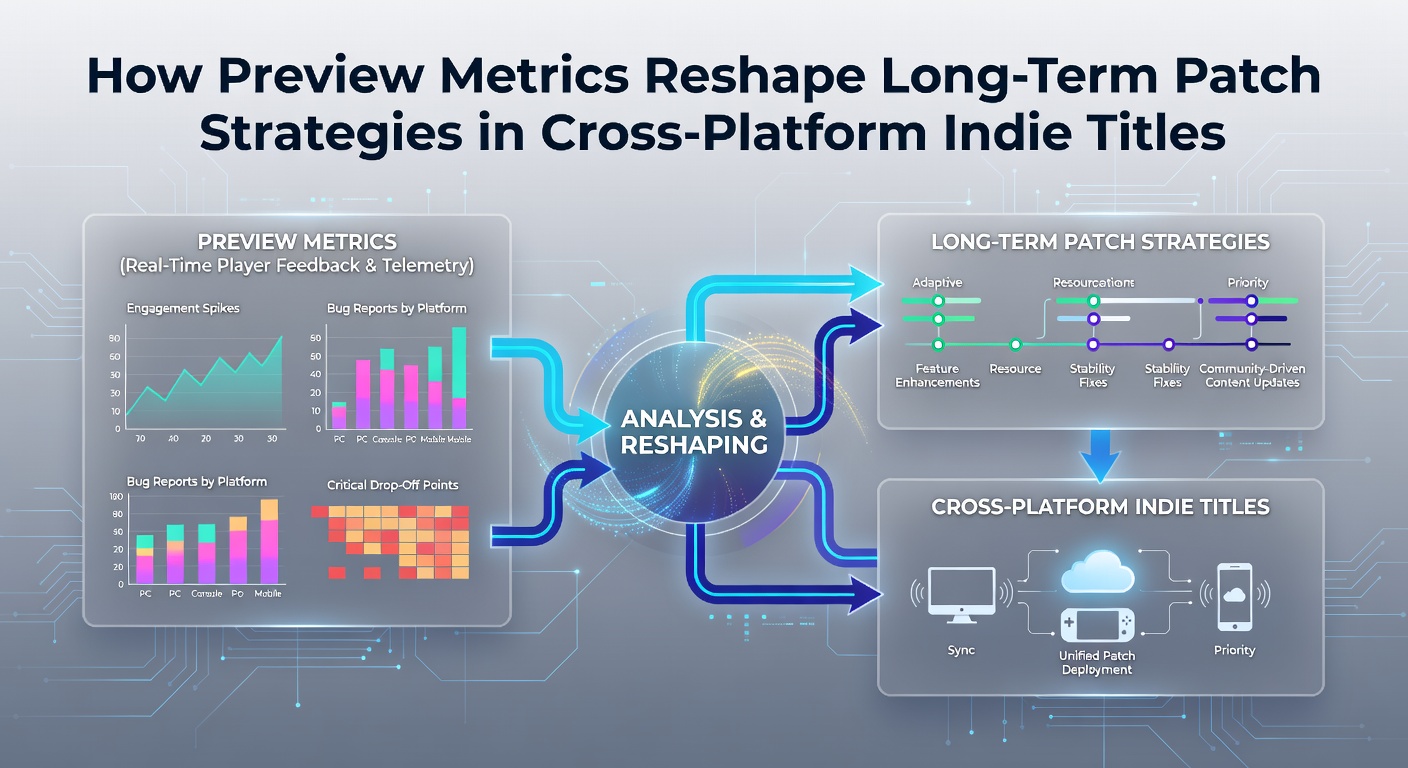
Preview metrics collected during early demos, closed betas, and platform-specific showcases now drive decisions that extend well beyond launch windows for indie developers managing titles across PC, consoles, and mobile devices. Teams track retention curves, crash frequencies, and engagement patterns from these previews to prioritize fixes that address persistent issues rather than surface-level complaints, and this approach has gained traction since industry gatherings in May 2026 highlighted standardized data-sharing practices among smaller studios.
Collecting and Interpreting Preview Data
Developers gather telemetry from preview builds that run on multiple hardware configurations, which allows them to identify discrepancies such as input lag on mobile touchscreens versus controller response times on consoles. Research from the International Game Developers Association shows that indie teams using aggregated preview logs reduced post-launch hotfix volumes by 28 percent in titles released after 2024, because early signals pointed directly to code paths that broke under cross-platform synchronization. Observers note that metrics like session length drops after the first hour often correlate with progression blockers that only surface when saves transfer between devices, prompting adjustments before full release cycles begin.
Aligning Patches with Platform-Specific Behaviors
Long-term patch roadmaps shift when preview data reveals hardware-dependent bugs that affect player retention across ecosystems. A single memory leak detected during a console preview might require separate optimization branches for mobile versions to maintain consistent frame rates, and developers coordinate these changes through shared version control systems that flag conflicts early. Data from the Entertainment Software Association indicates that cross-platform indie projects incorporating preview-derived priorities completed major updates within six months of launch at a rate 15 percent higher than those relying solely on post-release feedback, since initial metrics already accounted for regional hardware variations reported in different markets.
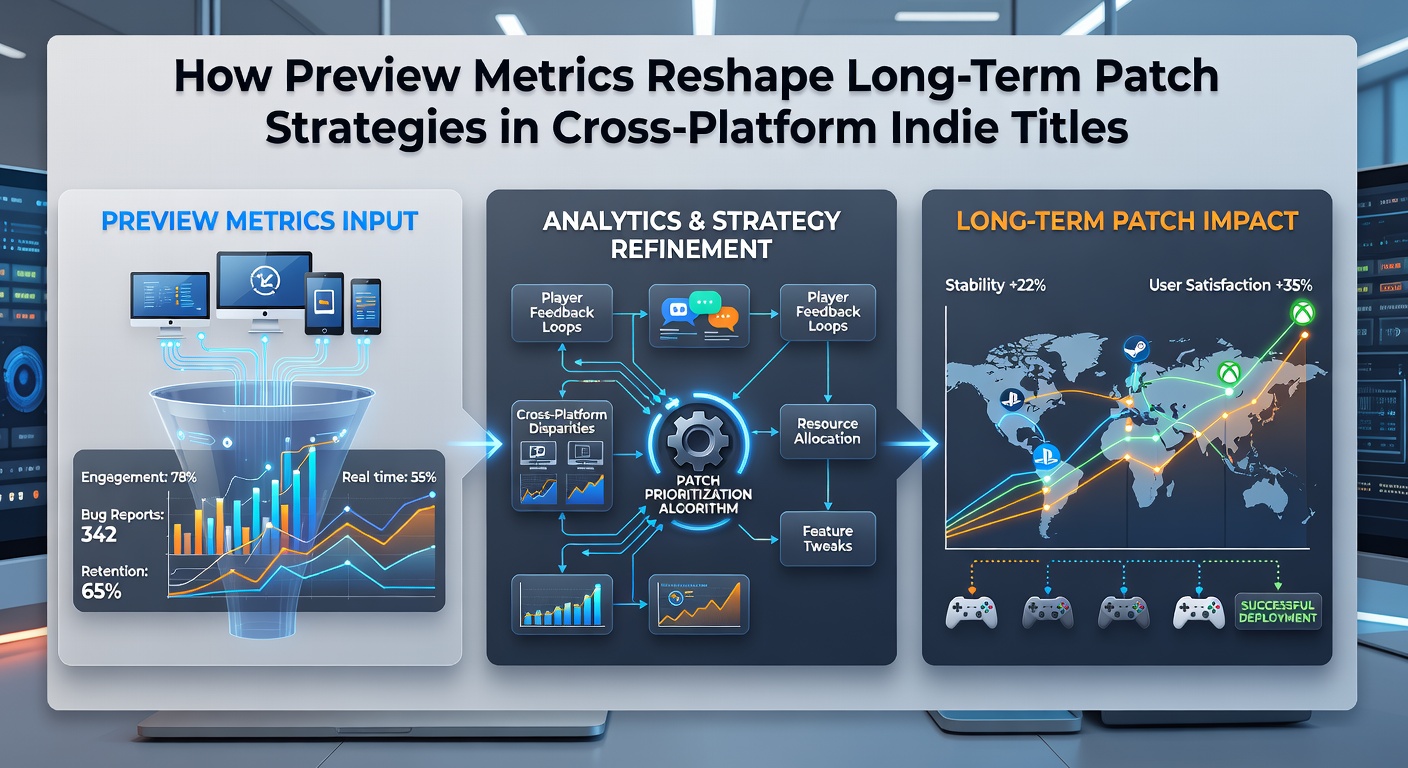
Patches scheduled months ahead now incorporate weighted scoring from preview sessions, where issues affecting save file integrity receive higher urgency than cosmetic glitches. This weighting comes from patterns observed when players switch platforms mid-campaign, which exposes desync problems that single-platform testing misses entirely.
Examples from Recent Indie Releases
One studio developing a narrative-driven adventure game used preview metrics from a 2025 beta to reorder its patch queue, focusing first on mobile cloud-save conflicts that caused 12 percent of sessions to terminate prematurely. The adjustments carried into 2026 updates that stabilized console-to-PC transfers, and subsequent monitoring showed sustained playtime increases across all platforms. Another team handling a physics-based puzzle title discovered through early cross-device previews that certain collision calculations overloaded lower-end mobile processors, leading to a phased rollout of simplified physics modules that later informed console stability patches released in quarterly cycles.
These cases illustrate how preview insights translate into multi-year maintenance plans, where initial data sets serve as baselines for measuring patch effectiveness over successive updates.
Challenges in Scaling Preview Insights
Resource constraints often limit how thoroughly indie teams can act on preview metrics, especially when balancing simultaneous releases on storefronts with differing certification timelines. Preview data sometimes highlights problems that require architectural changes incompatible with tight budgets, forcing developers to defer certain fixes until revenue from initial sales funds extended support phases. Reports compiled by the European Games Developer Federation note that studios coordinating across three or more platforms achieved more balanced patch distributions when they segmented preview feedback by device category rather than treating all inputs as uniform.
Yet integration hurdles persist when analytics tools from different platform holders use incompatible export formats, which slows the process of merging datasets into unified strategy documents.
Conclusion
Preview metrics continue to influence patch sequencing by supplying quantitative foundations that extend across the full support lifespan of cross-platform indie titles. Teams that integrate these signals early establish clearer priorities for updates that maintain functionality as new hardware and operating system versions emerge, which supports ongoing player engagement without requiring complete redesigns later in a game's lifecycle.