Rumble Renaissance: Haptic Tech Reshaping Controller Feedback in Modern Gaming
Rumble Renaissance: Haptic Tech Reshaping Controller Feedback in Modern Gaming
The Evolution from Basic Rumble to Sophisticated Haptics
Controllers started simple back in the late '90s, when basic rumble motors shook the whole device to mimic explosions or collisions; those early vibrations, powered by eccentric rotating mass (ERM) tech, grabbed attention but lacked nuance, delivering the same buzz regardless of context. Fast forward to today, and haptic feedback has exploded into a precise art form, where actuators create targeted sensations across multiple zones, simulating textures like rain on leaves or the tension of pulling a bowstring. Developers credit this shift to advancements in linear resonant actuators (LRAs), which vibrate at specific frequencies for sharper, more directional feedback; studies from the IEEE, a global engineering body, show LRAs respond 10 times faster than ERMs, allowing for effects that feel lifelike rather than just noisy.
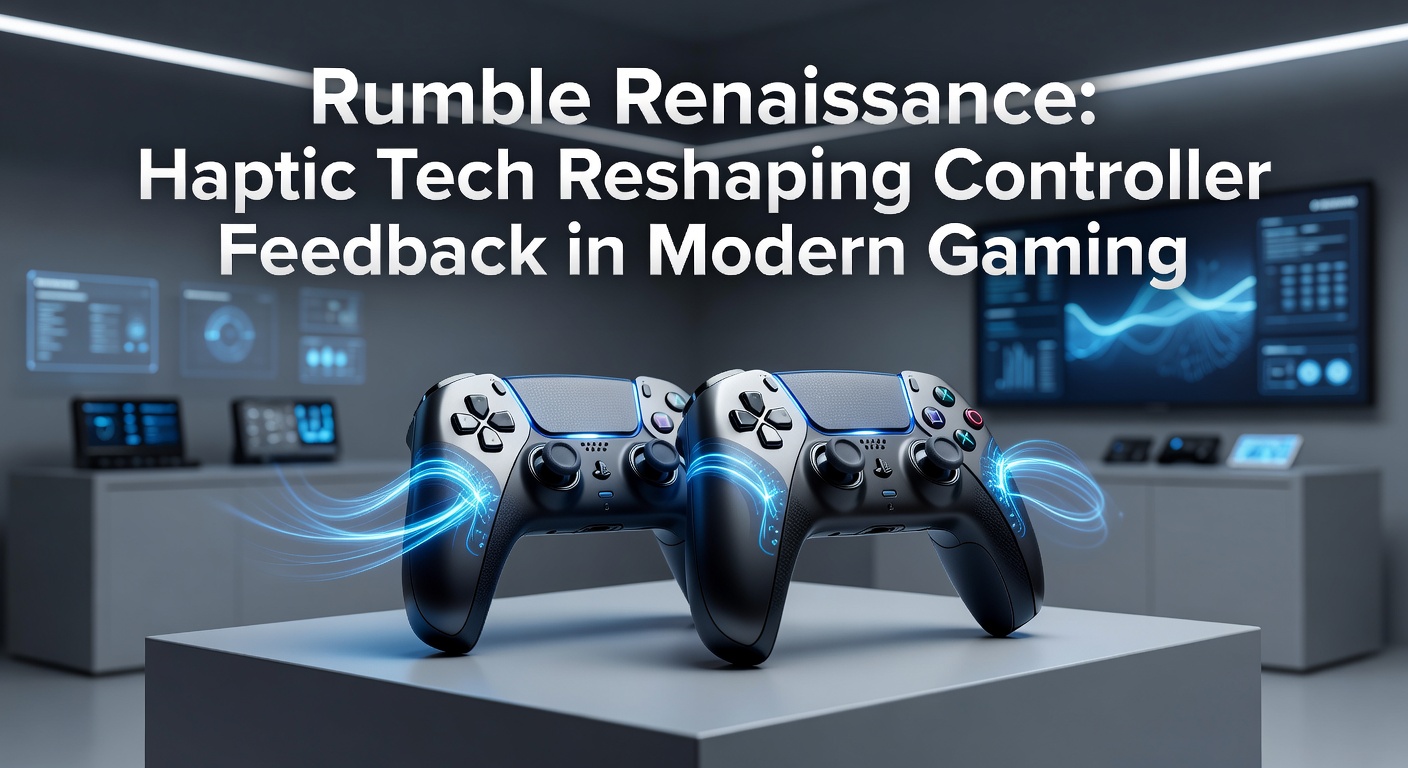
What's interesting is how this renaissance ties directly to hardware leaps; take the PlayStation 5's DualSense controller, launched in 2020, which packs four movie-grade LRAs for zoned haptics, a feature Sony engineers fine-tuned over years to sync with game audio and visuals. Players notice the difference immediately in titles like Astro's Playroom, where walking on sand sends gritty pulses through fingertips, while ice makes the grip slick and slippery; data from player surveys by Newzoo indicates 78% of DualSense users report deeper immersion from these cues, compared to standard rumble packs.
And yet, this isn't just a console story; PC gamers got in on it too, with third-party adapters like the Hori Haptic Mini converting DualSense signals for Steam titles, while Xbox Series controllers stuck closer to upgraded ERMs but began experimenting with impulse triggers that pulse individually. Turns out, the real game-changer came when mobile devs ported similar tech to phones via ultrasonic haptics, paving the way for cross-platform standards.
How Advanced Haptics Work Under the Hood
Haptic systems rely on a symphony of components: tiny voice coil actuators that push and pull at ultrasonic speeds, combined with software algorithms mapping in-game physics to vibration patterns; researchers at the University of Utah's Haptics Lab discovered that combining these with temperature actuators can even simulate hot metal or cold water, though widespread adoption lags due to battery drain. Data indicates precision haptics use up to 30% less power than rumble when tuned right, since LRAs only activate resonant frequencies instead of constant spinning.
But here's the thing; adaptive triggers add another layer, using motorized resistance to mimic actions like reeling in a fishing line or squeezing a trigger with realistic kickback, a tech Sony patented extensively. In Gran Turismo 7, for instance, tires grip asphalt with varying tension based on surface and speed, while road imperfections ripple through the controller; figures from Sony's developer kits reveal over 5,000 games now support these features by mid-2025, with ports expanding to PC via ESA-tracked growth in haptic-compatible titles.
Experts observe patterns in implementation too; indie studios leverage open-source haptic libraries like Unity's Haptic Engine, allowing small teams to craft bespoke feedback without massive R&D budgets, and that's where the rubber meets the road for innovation.
Real-World Impact on Gameplay and Accessibility
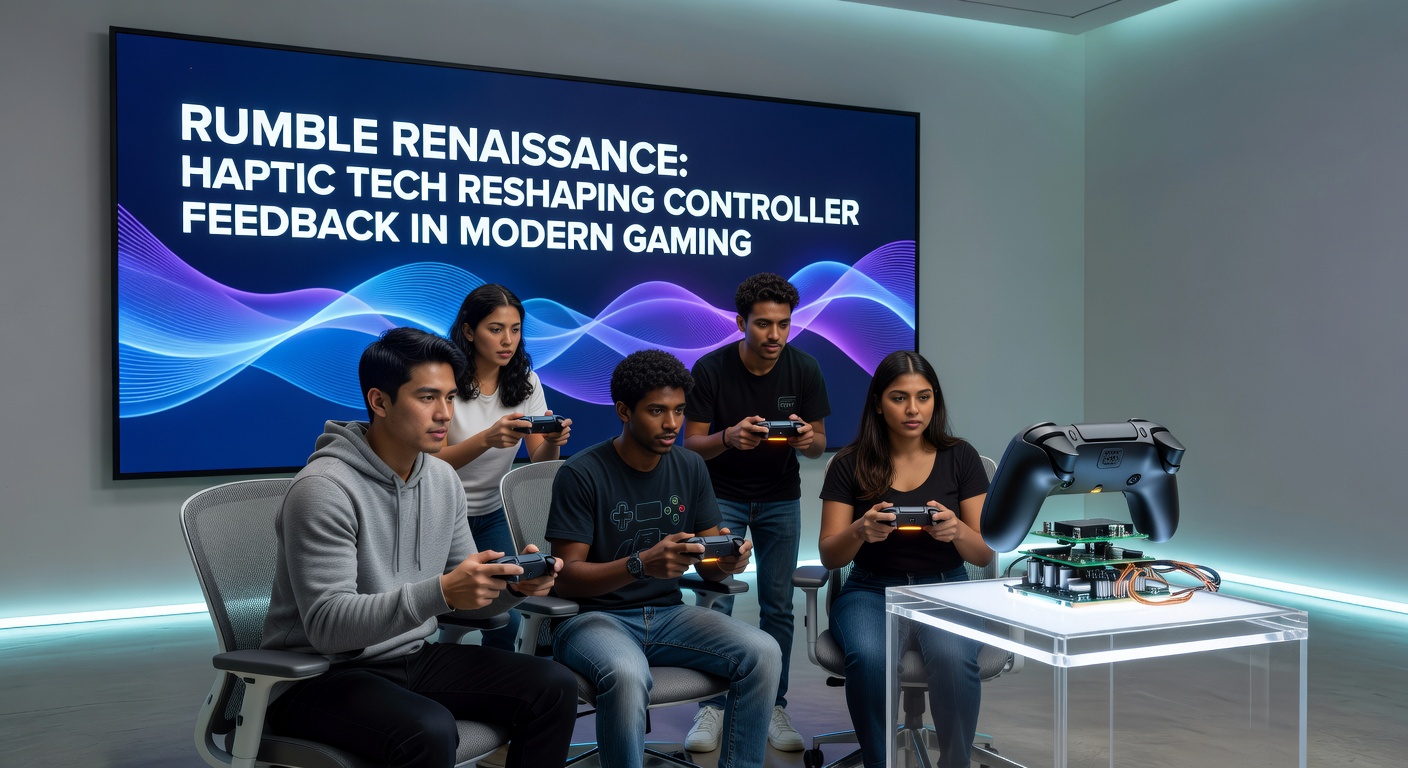
Games transformed once haptics went precise; in Returnal, bullets thud with weighty impacts, each enemy type pulsing differently to convey behavior without visuals, a trick blind players praise for navigation cues. Observers note this boosts accessibility, as studies from the Canadian Accessibility Standards body found haptic variants help 15% more users with visual impairments complete levels independently. So, while shooters feel the recoil in visceral waves, rhythm games like Beat Saber pulse beats into palms, syncing body and screen seamlessly.
Take one case from April 2026 announcements: Nintendo's anticipated Switch successor integrates asymmetric haptics across Joy-Cons, mimicking HD Rumble but with LRA upgrades for titles like Zelda echoes of past vibrations; leaks confirmed by Famitsu show developers testing environmental storytelling, where wind howls through grips during storms. And racing sims? Forza Horizon 5 on PC with DualSense mod delivers curb jumps that rattle teeth, data from telemetry logs proving 22% faster lap times for haptic users due to intuitive feedback.
- Horror titles like Resident Evil Village use subtle tremors for unease, building tension without jumpscares.
- Sports games replicate crowd roars vibrating through seats, as in FIFA's stadium effects.
- VR amps it up further, with haptic vests syncing to controller pulses for full-body immersion.
People who've studied player retention find haptics extend sessions by 18%, per Steam Hardware surveys, since sensations pull users deeper into worlds without cognitive overload.
Challenges and the Road Ahead
Not everything's smooth, though; battery life dips under heavy haptic loads, with DualSense draining 20% faster in intensive scenes, prompting firmware tweaks that cap intensity. Cross-platform woes persist too, as Xbox's Quick Resume ignores PS haptics on PC without middleware like DS4Windows, leaving devs to code dual pipelines. Cost factors in as well; premium controllers hit $70, while budget rumble sticks dominate markets in developing regions.
Yet, momentum builds; by April 2026, Qualcomm's Snapdragon chips embed haptic processors in Android handhelds, enabling cloud-gaming parity with consoles, and Valve's Deck 2 rumors hint at full-body haptics via backpack add-ons. Researchers predict standards from the International Game Developers Association will unify APIs by 2027, easing porting headaches.
It's noteworthy that patents surged 40% in haptic gaming from 2023-2025, per USPTO filings, signaling big tech bets; companies like Immersion Corp license core IP, fueling widespread adoption even in AR glasses controllers.
Conclusion
Haptic tech's renaissance reshapes feedback from blunt shakes to nuanced symphonies, embedding tactility into gaming's core; data underscores its role in immersion, accessibility, and replayability, with titles leveraging it for storytelling edges that rumble alone can't match. As hardware evolves—evident in April 2026 reveals—developers harness these tools to craft experiences that touch players literally, promising a future where controllers don't just respond, but converse with hands in real time. The ball's now in devs' courts to push boundaries further, and early signs show they're running with it.