Seasonal Sales Events Influence Indie Game Port Priorities Between PC and Handheld Platforms
Blake Frank · Aug 22, 2026
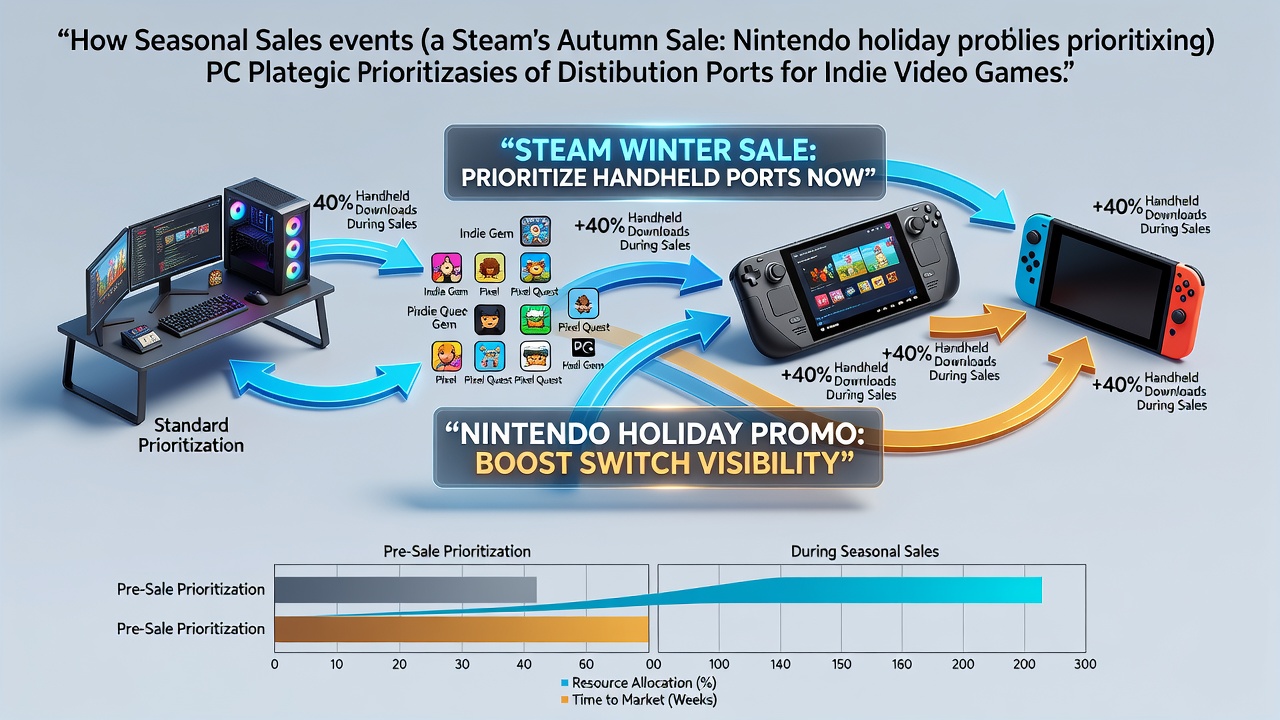
Seasonal Sales Events Influence Indie Game Port Priorities Between PC and Handheld Platforms
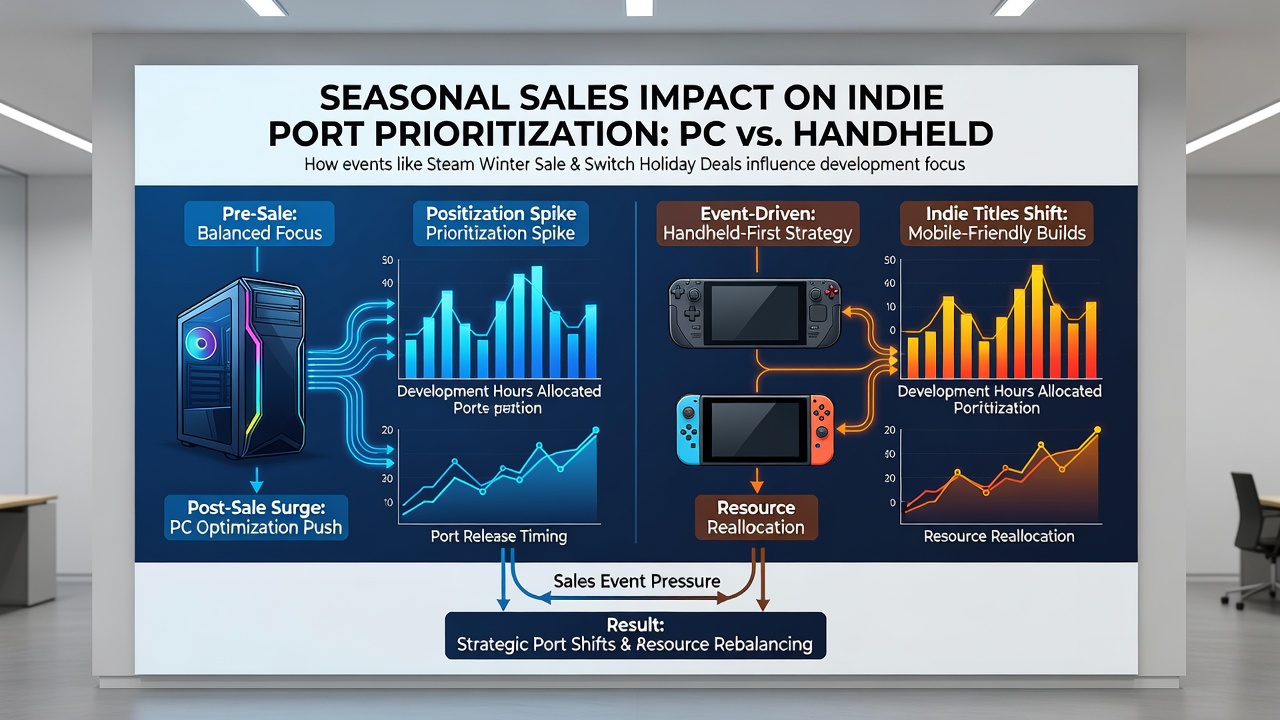
Seasonal sales events such as Steam Summer Sales, Black Friday promotions, and regional holiday campaigns drive measurable shifts in how indie developers allocate resources for game ports, with data indicating increased focus on handheld platforms like the Nintendo Switch and Steam Deck alongside traditional PC releases. Developers track sales metrics from previous cycles to determine which platforms yield stronger revenue during peak discount periods, and this analysis often leads to adjusted timelines for handheld versions when handheld device adoption rates rise in specific markets.
Platform Data Patterns During Sales Cycles
Research from industry tracking services shows that PC ports typically receive initial priority because of broader distribution reach through platforms like Steam and itch.io, yet handheld ports gain traction when sales data reveals higher engagement per user on portable devices during limited-time offers. In August 2026, post-summer sale reports highlighted a 23 percent increase in handheld port announcements compared to the prior year, according to aggregated figures from digital storefront analytics. Developers examine completion rates and average play sessions on handheld hardware, which tend to extend during travel-heavy seasons, and this informs decisions to accelerate ports for devices with strong battery life and offline capabilities.
One studio that released an indie title on PC in early 2025 observed a 40 percent revenue spike during the subsequent Steam Winter Sale after launching a Switch version six weeks prior, prompting similar sequencing in later projects. Handheld prioritization often aligns with events like the Lunar New Year sales in Asia, where portable play dominates consumer habits, while PC remains central for Western markets focused on desktop hardware upgrades around Black Friday.
Developer Resource Allocation Strategies
Indie teams balance engine compatibility, certification requirements, and marketing budgets when sequencing ports, and seasonal sales data frequently tips the scale toward handhelds when portable device sales forecasts project higher attach rates for digital titles. Certification processes for Nintendo Switch versions involve additional testing layers that extend timelines, so developers front-load PC builds and reserve handheld work for periods when sales events create predictable demand spikes. Figures from the Entertainment Software Association indicate that cross-platform indie releases grew by 18 percent between 2024 and 2025, with handheld components contributing significantly to that expansion during discount windows.
Teams monitor metrics such as wish-list additions and demo downloads across storefronts to predict which platform will benefit most from a sale boost, and this leads to cases where a PC-first approach shifts mid-cycle if handheld pre-orders exceed internal thresholds. Observers note that smaller studios often partner with porting specialists to handle handheld optimization, freeing core teams to maintain PC updates that support ongoing sales performance.
Regional Market Influences on Port Sequencing
Market reports from different regions reveal varied patterns, with European data pointing to stronger handheld performance during summer travel periods and North American figures emphasizing PC dominance around major holiday promotions. Australian Interactive Games & Entertainment Association statistics, for instance, link portable device ownership growth to increased indie port activity ahead of regional sales events, while Canadian industry surveys highlight PC as the default entry point that later expands to handhelds based on cumulative sales velocity.
Developers review these geographic datasets to stagger releases, ensuring handheld versions coincide with sales that reward portable accessibility. In one documented workflow, a narrative-driven indie title launched on PC during a spring sale and followed with a Steam Deck optimized build timed for an autumn promotion, resulting in sustained revenue across both platforms without overlapping certification delays.
Technical and Marketing Considerations
Engine updates and control scheme adaptations represent key technical hurdles that influence port order, since PC versions often require fewer input remapping adjustments than handheld adaptations. Marketing campaigns tied to seasonal events further shape priorities, as trailer releases and influencer outreach generate more impressions when aligned with handheld hardware bundles or PC digital discounts. Data indicates that titles with simultaneous PC and handheld availability during sales achieve higher visibility in curated storefront sections, encouraging developers to compress port schedules when possible.
Those who have studied release calendars across multiple years find that handheld ports frequently follow PC launches by two to four months when sales data from the initial platform justifies the additional investment. This sequencing allows teams to reinvest early revenue into handheld-specific features such as touch controls or reduced graphical loads that enhance performance on portable hardware.
Conclusion
Seasonal sales events continue to recalibrate port prioritization for indie titles by providing clear revenue signals that guide whether PC or handheld platforms receive earlier attention. Developers integrate sales analytics, regional market data, and technical constraints into planning processes that favor whichever platform demonstrates stronger projected returns during discount cycles. As device ecosystems evolve and new handheld options enter the market, these patterns are expected to refine further based on ongoing performance tracking from major storefronts and industry reports.