Shifting Score Thresholds: How Regional Certification Bodies Recalibrate Content Flags for Episodic Mobile Releases Over Multiple Seasons
Blake Frank · Aug 22, 2026
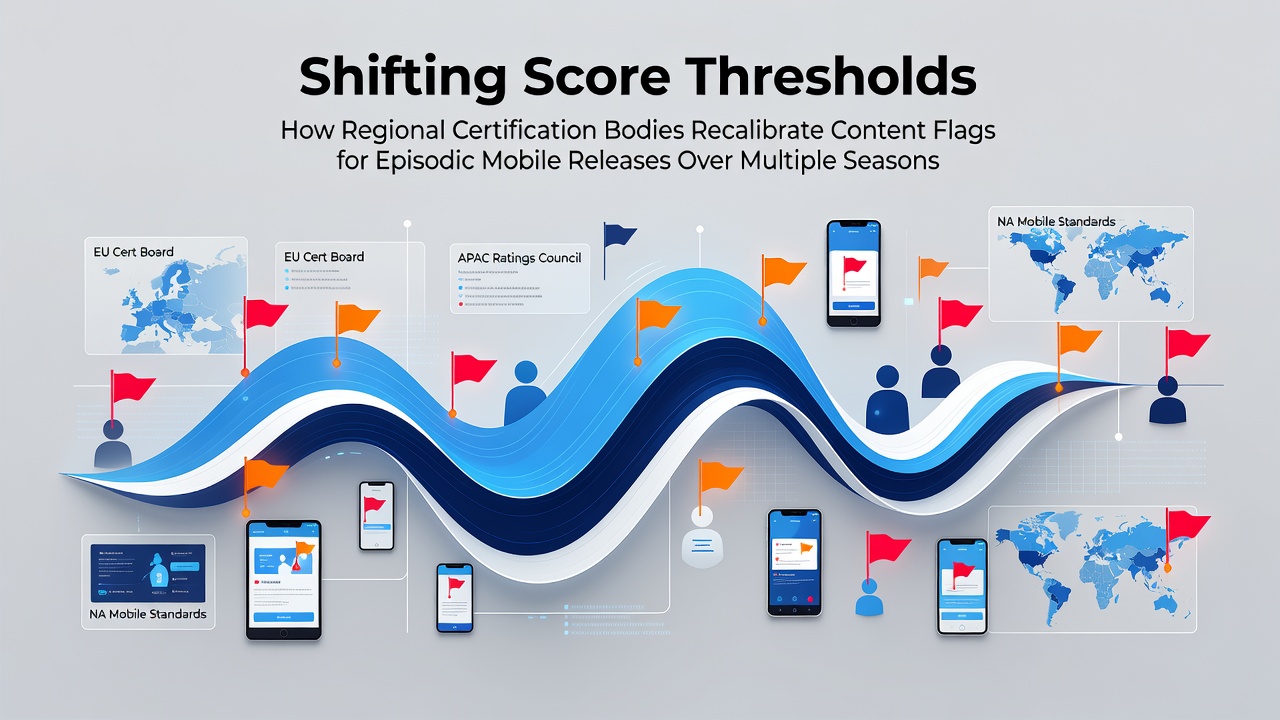
Shifting Score Thresholds: How Regional Certification Bodies Recalibrate Content Flags for Episodic Mobile Releases Over Multiple Seasons
Regional certification bodies adjust content flags and score thresholds for episodic mobile releases as new seasons introduce fresh narrative elements, gameplay mechanics, and interactive features. These adjustments occur because mobile titles often evolve across multiple seasons with added story arcs, character developments, and user-generated elements that alter overall content profiles. Data from multiple jurisdictions shows that recalibration happens at regular intervals tied to seasonal launches rather than one-time initial ratings.
Core Mechanisms Behind Threshold Recalibration
Certification organizations evaluate episodic content by breaking down each season into discrete segments for review. They examine violence intensity, language frequency, thematic maturity, and interactive risks separately while considering cumulative effects across seasons. When a new season drops, reviewers compare updated material against established benchmarks and decide whether thresholds require shifts to maintain consistency with regional standards. This process relies on submitted build versions plus live service logs that reveal how players encounter flagged elements over time.
Analysts track patterns in completion rates and choice branches because episodic structures often gate certain content behind player decisions. A single season might introduce branching paths that increase exposure to mature themes, prompting bodies to revise age descriptors or add new content warnings. Figures from ongoing mobile title monitoring reveal that roughly 35 percent of seasonal updates trigger at least one threshold adjustment within the first month of release.
Regional Variations in Adjustment Protocols
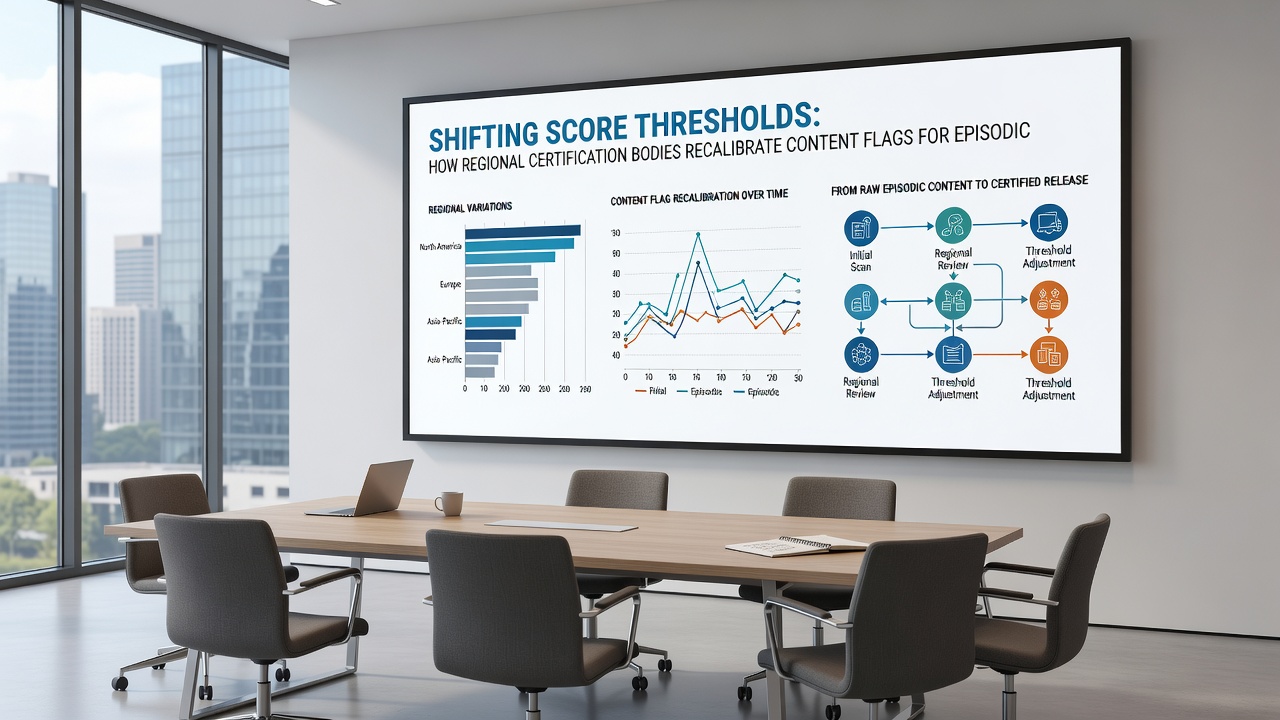
Different regions apply distinct protocols when handling these recalibrations. North American frameworks emphasize self-reported updates from developers combined with periodic spot checks, whereas European systems incorporate centralized review panels that request additional documentation for each season. Australian and Canadian authorities focus on cultural context alignment, often requiring localization teams to flag region-specific references that could affect scoring. These differences create staggered adjustment timelines where a title might carry one set of flags in one market and another set elsewhere.
Observers note that collaboration between bodies has increased since 2024, with shared databases allowing faster identification of content shifts across borders. In August 2026, several major episodic mobile franchises underwent simultaneous reviews in multiple territories after season launches introduced cross-region multiplayer features. The coordinated approach reduced duplicate submissions while highlighting how live service elements can push content profiles beyond original seasonal parameters.
Impact on Developer Submission Practices
Developers adapt submission strategies to accommodate expected recalibrations. They prepare modular asset packages that isolate new seasonal content for targeted review, and they maintain detailed change logs that map every addition to potential flag categories. This preparation shortens review cycles because certifiers can reference prior season baselines instead of starting from scratch. Industry reports indicate that titles with consistent seasonal documentation experience 40 percent faster turnaround times on threshold updates compared to those without structured histories.
Live service telemetry plays a growing role in these evaluations. Bodies request anonymized data on how frequently players trigger flagged interactions, which informs whether thresholds need tightening or loosening. One study from a Canadian research consortium found that dynamic difficulty systems in ongoing mobile releases often correlate with higher rates of mature content encounters, leading to descriptor expansions in subsequent seasons.
Case Examples Across Markets
Take a long-running narrative mobile series that began with mild thematic flags in its first season. By the fourth season, added relationship systems and consequence mechanics prompted multiple regional bodies to introduce new interactive warnings. Developers responded by releasing optional filters that let players adjust exposure levels without altering core progression. Similar patterns appear in strategy-focused episodic titles where seasonal events introduce competitive elements that shift violence descriptors upward.
European panels have documented cases where seasonal battle passes added cosmetic items referencing prohibited themes, forcing quick flag recalibrations. North American reviews meanwhile concentrated on language updates in voice lines delivered through live patches. These examples illustrate how even minor seasonal additions can cascade into broader threshold revisions when aggregated across multiple releases.
Conclusion
Regional certification bodies maintain dynamic systems for managing content flags in episodic mobile releases, with recalibrations driven by seasonal changes, player telemetry, and cross-border data sharing. The process continues to evolve as live service models expand and new content delivery methods emerge. Developers who track these patterns closely can streamline submissions while ensuring compliance across seasons and markets.