Synchronizing Update Cadences with User Rating Volatility Across Digital Storefronts for Persistent Online Experiences
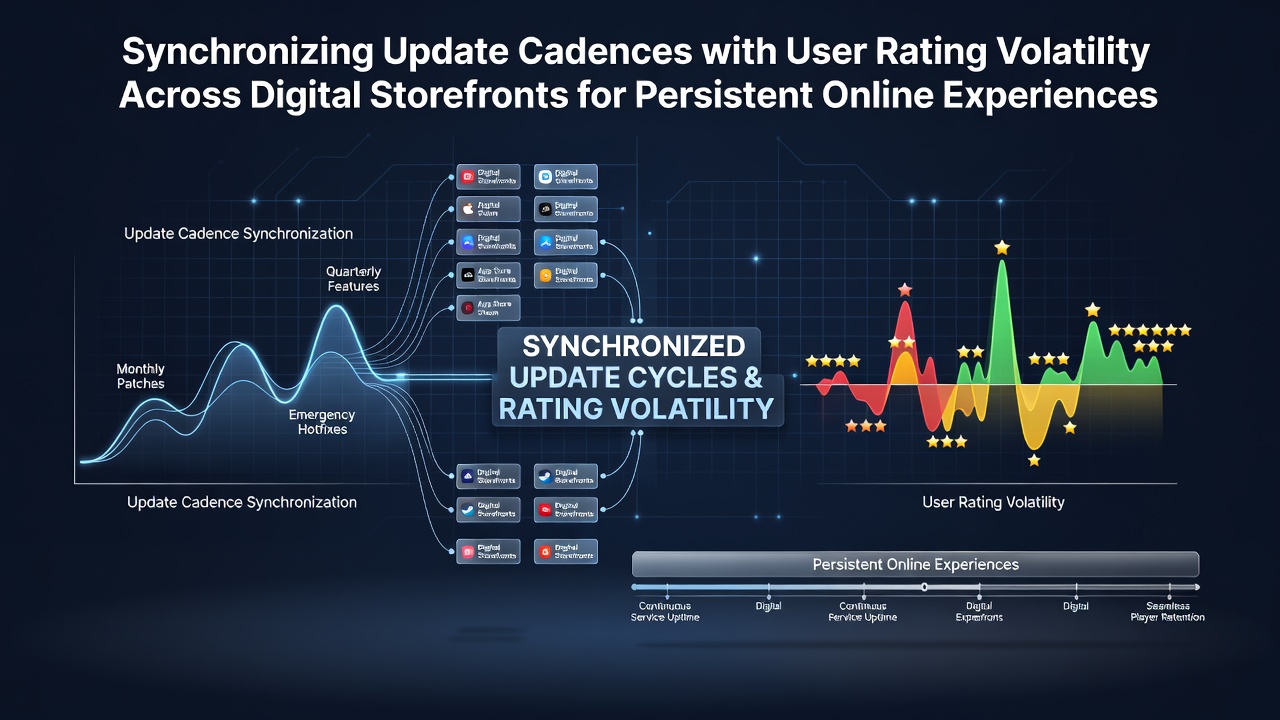
Persistent online experiences such as live service games rely on regular content updates to maintain player engagement, yet these changes often coincide with shifts in user ratings on platforms including Steam, the Apple App Store, and Google Play. Observers note that developers track rating volatility to time patches, expansions, and balance adjustments in ways that stabilize scores rather than trigger declines. Data from multiple storefronts indicates correlations between update frequency and review patterns, where frequent small patches sometimes reduce negative feedback clusters while larger seasonal releases can spike volatility if expectations diverge from delivered features.
Patterns in Rating Changes Following Updates
Studies of cross-platform titles reveal that ratings tend to dip within the first 48 hours after major content drops, then recover as players adjust to new mechanics. Researchers at several institutions have documented how negative reviews cluster around issues like server instability or unintended balance shifts, prompting teams to release hotfixes within days to mitigate further drops. Those who analyze storefront APIs observe that titles with synchronized update schedules across regions experience less pronounced volatility because localized fixes address cultural or technical variances before they amplify in global review feeds.
What's interesting is how platforms weight recent reviews differently. Steam's review system, for instance, emphasizes recent activity, so a coordinated update cadence that includes rapid response patches can shift aggregate scores upward within a single week. In contrast, mobile storefronts apply longer review windows, meaning volatility from one update may linger across multiple rating periods unless subsequent changes demonstrate consistent improvement.
Platform Policies and Developer Responses
Digital storefronts maintain guidelines that indirectly influence update timing. The European Commission's digital services framework requires transparency around algorithmic promotion, which some developers interpret as a need to stabilize ratings before major visibility pushes. Meanwhile, industry groups like the Entertainment Software Association compile data showing that titles maintaining update intervals of two to four weeks see steadier review trends compared with those releasing content in irregular bursts.
Teams working on persistent experiences often monitor rating thresholds that affect discoverability. When scores fall below certain marks, promotional slots diminish, so synchronization efforts focus on aligning internal development cycles with external review momentum. Figures from 2025 releases indicate that developers who integrated player telemetry with rating dashboards achieved faster recovery from volatility spikes than those relying solely on manual monitoring.
Observations from July 2026 Data Releases
July 2026 brought new reporting periods across storefronts, highlighting how several persistent titles adjusted their cadences after earlier rating fluctuations. Analysis of these periods shows that games which delayed major updates until after rating stabilization periods experienced fewer review reversals. Developers incorporated automated alerts tied to review velocity, allowing patches to deploy when downward trends accelerated rather than waiting for scheduled cycles.
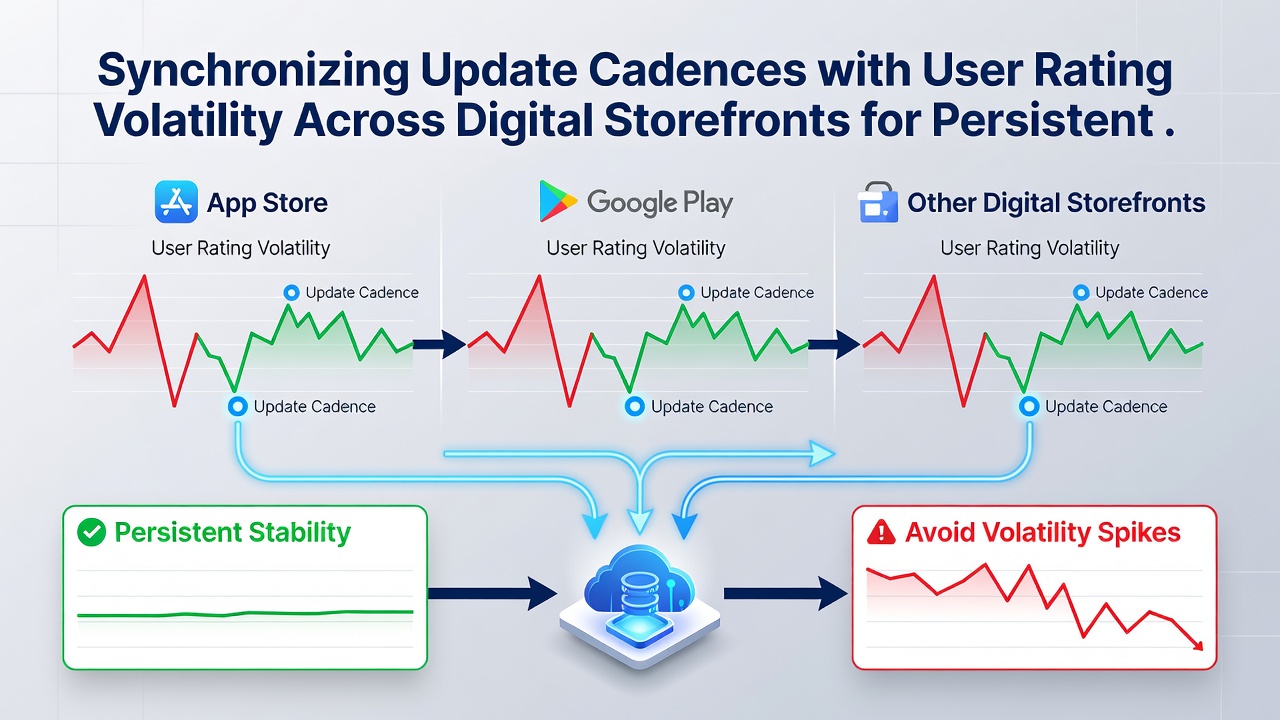
One study released that month from academic partners examined over 200 live service titles and found measurable links between cross-storefront alignment and reduced volatility. Titles that coordinated PC, console, and mobile patches within narrow timeframes saw average rating swings decrease by noticeable margins compared with staggered releases. Those patterns emerged because synchronized changes limited the spread of outdated complaints across different platform review sections.
Technical Approaches to Alignment
Developers employ various tools to match update timing with rating signals. Telemetry integration lets teams correlate specific changes with review sentiment shifts, while A/B testing on subsets of players reveals which adjustments stabilize scores before full rollout. Data indicates that persistent experiences benefit when teams treat rating volatility as a leading indicator rather than a lagging metric, adjusting cadence dynamically instead of following fixed calendars.
Regional differences add complexity. Australian Competition and Consumer Commission guidelines on digital product updates emphasize clear communication of changes, which some studios address by timing announcements alongside patches to preempt confusion-driven reviews. Similar approaches appear in North American and Asian markets, though enforcement and player expectations vary.
Conclusion
Synchronization of update cadences with rating volatility continues to shape how persistent online experiences evolve across digital storefronts. Evidence from platform data adn industry reports demonstrates that deliberate timing reduces the duration and severity of score fluctuations while supporting ongoing player retention. As storefront algorithms and review systems refine their weighting mechanisms, developers who integrate rating monitoring into core production workflows maintain more consistent visibility and engagement metrics. Continued examination of these patterns through 2026 and beyond will likely reveal additional refinements in how teams balance content delivery against review dynamics.