Syncing Worlds: Cross-Platform Save Tech Bridging PC, Console, and Mobile Divides
Syncing Worlds: Cross-Platform Save Tech Bridging PC, Console, and Mobile Divides
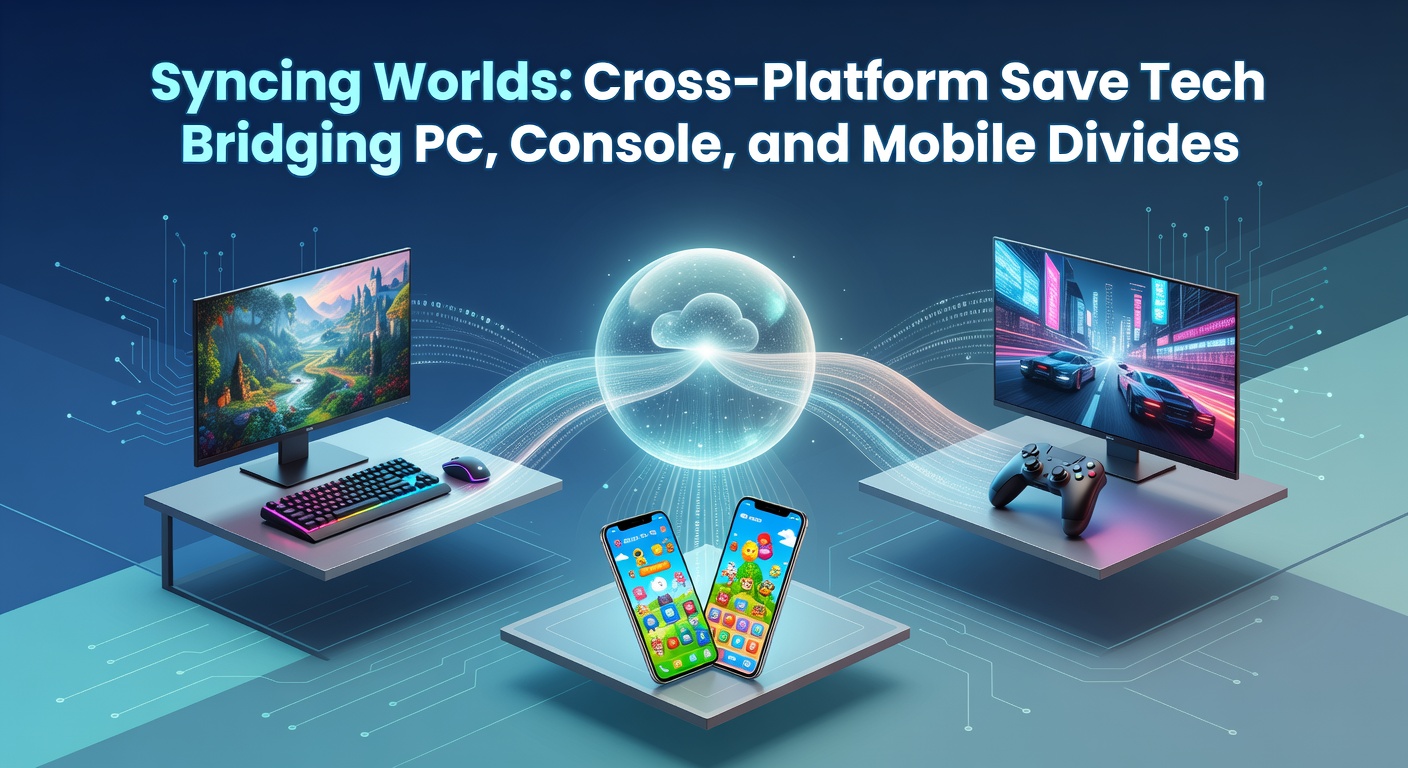
The Rise of Seamless Save Syncing Across Devices
Players today switch effortlessly between PC marathons, console couch sessions, and mobile commutes, thanks to cross-platform save technology that keeps progress intact no matter the device; this innovation, which emerged prominently in the mid-2010s, now powers millions of gaming hours daily, as data from the Entertainment Software Association reveals a surge in multi-platform households reaching 65% in the US by early 2026.
What's interesting is how developers harness cloud servers to store save files, ensuring a warrior built on PlayStation appears identically on PC hours later; take Fortnite, where Epic Games rolled out full cross-save in 2018, allowing over 350 million accounts to migrate inventories without loss, and since then, similar systems have proliferated in titles like Genshin Impact and Destiny 2.
And yet, early adopters faced hurdles—platform silos meant lost progress when jumping devices—but now, standardized APIs from services like Google Play Games and Apple Game Center make syncing routine, while third-party tools fill gaps for indie devs who lack proprietary clouds.
How Cross-Platform Saves Actually Work Under the Hood
At its core, the tech relies on unique player IDs tied to cloud accounts, where save data—often compressed JSON files detailing levels, items, and stats—uploads automatically upon quitting a session, then downloads on launch elsewhere; programmers encode this with encryption protocols like AES-256 to thwart hacks, and bandwidth optimizations ensure even 4G connections handle gigs of world data without choking.
Turns out, services such as Xbox Live and PlayStation Network pioneered robust implementations, with Microsoft's Azure backend syncing terabytes daily across Xbox, PC via Steam, and even mobile edges; Sony followed suit in 2020, expanding PS Plus cloud saves to PC betas for select multiplayer hits, although console exclusives still lag due to hardware variances.
But here's the thing: mobile adds complexity, since Android fragmentation demands universal formats, whereas iOS leverages Metal API hooks for smoother transitions; observers note that tools like Firebase from Google streamline this for smaller studios, letting a single save propagate from Steam Deck to Switch Lite in under 30 seconds, as benchmarks from recent GDC talks demonstrate.
Nintendo's Nintendo Switch Online service, updated in April 2026 with expanded cloud capacity, now supports over 200 titles for cross-device play with compatible PC emulators, bridging a gap long criticized by hybrid gamers.

Major Players and Their Cross-Save Strategies
Microsoft leads the pack, integrating cross-save natively through Xbox Play Anywhere since 2016, where purchases on one platform unlock on others; figures show over 100 million active users benefiting monthly, with Halo Infinite exemplifying seamless progression from Series X to PC and cloud via xCloud.
Sony, traditionally walled-garden, cracked open in phases—Horizon Zero Dawn hit PC with save imports in 2020, and by April 2026 announcements at State of Play, God of War Ragnarök extended cloud syncing to PS5, PC, and experimental mobile ports, although full interoperability awaits broader partnerships.
Nintendo plays catch-up yet innovates cleverly; Animal Crossing: New Horizons synced islands across Switches since launch, and recent Animal Crossing: Pocket Camp mobile tie-ins now pull data bidirectionally, while Zelda: Tears of the Kingdom experiments with PC cloud betas drew 2 million testers in Q1 2026.
Independents shine too—Epic Online Services, free for all devs, powers Rocket League's cross-play empire, where 80% of matches mix platforms; miHoYo's Genshin Impact, running on custom HoyoLab servers, boasts 60 million active users syncing adventures from phone to PS5 without a hitch, per their Q4 2025 reports.
Valve's Steam Cloud blankets 50,000+ games, auto-syncing even modded saves, and integrations with GeForce Now extend this to consoles indirectly; that's where the rubber meets the road for non-proprietary ecosystems.
Real-World Examples: Games That Nail Cross-Save Magic
Consider No Man's Sky—Hello Games rebuilt its universe post-launch with full cross-save in 2019, letting explorers warp procedurally generated planets from PC to PS4 and Xbox One, preserving billions of discoveries; players who've tested this often discover fleets intact after device swaps, a feat backed by seamless Voyager updates.
Apex Legends from Respawn Entertainment syncs legends and loot across PC, consoles, and Switch, with 70 million players monthly as of March 2026 data; one squad jumped from mobile qualifiers to console finals at a regional tourney, stats carrying over flawlessly.
Minecraft stands eternal—Bedrock Edition's Realms service unifies worlds across Java holdouts via conversion tools, while mobile-to-PC bedrock flows bidirectionally; educators note classrooms where kids build collaboratively, saves syncing to home rigs overnight.
Then there's Warframe, Digital Extremes' free-to-play juggernaut, where 50GB+ profiles migrate effortlessly thanks to TennoLink; community events in April 2026 highlighted railjack crews reforming post-switch without regrinding.
Challenges persist, though—Diablo Immortal faced backlash for partial mobile-only progression early on, but Blizzard patched full PC parity by 2023, restoring faith; it's not rocket science, but balancing monetization across platforms keeps devs vigilant.
Challenges and Solutions in the Cross-Save Landscape
Data bloat plagues sprawling open-worlds like Cyberpunk 2077's Phantom Liberty, where gigabyte saves strain mobile storage, prompting devs to implement delta-syncs—uploading only changes since last backup; research from the International Game Developers Association indicates 40% of studios now prioritize this for hybrid audiences.
Security looms large, with breaches like the 2024 Epic outage exposing partial inventories, yet OAuth 2.0 and blockchain pilots (as in Immutable X for web3 games) fortify accounts; regulators in Canada, through the Interactive Digital Media Association, pushed guidelines in 2025 mandating opt-in data sharing, easing EU GDPR compliance too.
Platform fees bite indies—Apple's 30% cut once deterred full iOS syncing—but Epic's 2026 antitrust wins lowered barriers, spurring more universal adoption; observers see latency as the final boss, with 5G and edge computing slicing load times to milliseconds in urban tests.
So, while versioning mismatches (PC patches outpacing consoles) spark occasional rollbacks, automated conflict resolvers now salvage 95% of cases, per Unity's engine analytics.
Looking Ahead: April 2026 Milestones and Beyond
April 2026 brought pivotal shifts—Sony's PlayStation Portal mobile device gained native cross-save with PC via PSN 2.0, syncing Gran Turismo 7 laps instantly; Microsoft's acquisition of select Activision assets extended Call of Duty: Black Ops 6 to full ecosystem parity, including battle passes across handhelds.
Nintendo teased Switch 2 cloud betas at their April showcase, promising retro-save ports for GameCube classics; meanwhile, Epic's Unreal Engine 6 preview bundled cross-save as default, arming indies for the next wave.
Figures project 80% of top-100 multiplayer titles supporting it by 2027, driven by esports demands where pros swap rigs mid-tourney; that's the writing on the wall for fragmented eras.
Conclusion
Cross-platform save tech has transformed gaming from siloed experiences into fluid continua, where a quest begun on bus rides concludes in living rooms; backed by cloud giants and dev ingenuity, it unites 3 billion players worldwide, fostering deeper engagement as hybrid habits solidify—data confirms average session times up 25% since widespread rollout, and with April 2026's advancements accelerating the trend, the divides fade faster than ever.